What Makes a Massage Spa Different from Other Wellness Services
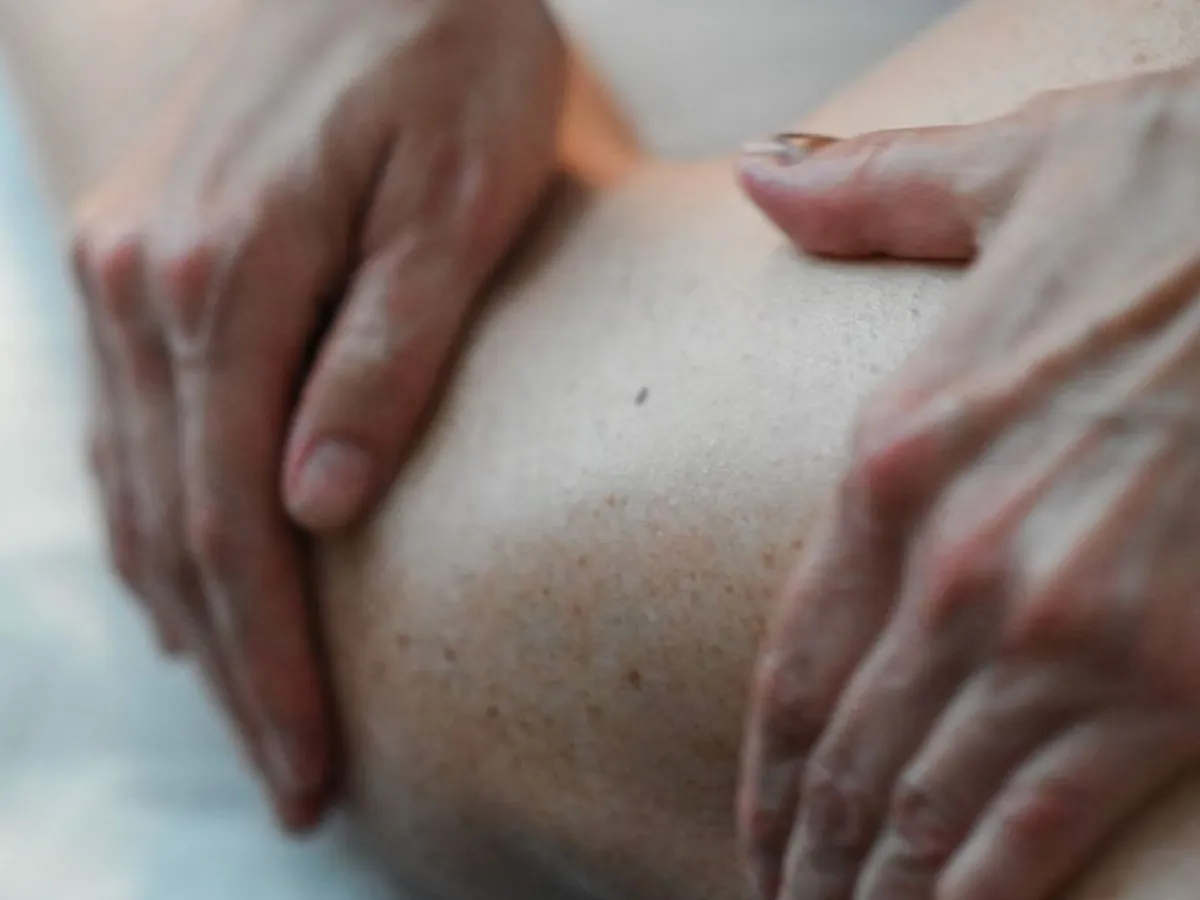
A massage spa offers a unique experience that blends therapeutic bodywork with a sanctuary-like environment designed to promote total relaxation. Unlike standard wellness facilities, a massage spa creates an intentional space where every element, from lighting to sound to aromatherapy, supports your journey toward physical relief and mental restoration.</p><p>What sets a massage spa apart is the holistic approach to wellness. While traditional therapy centers focus solely on treating specific conditions, a massage spa integrates multiple modalities to address both the physical symptoms and the emotional stress that often accompanies muscle tension and discomfort. This comprehensive method recognizes that true healing requires calming the nervous system, not just addressing surface-level pain.
In Powell and throughout central Ohio, residents face unique wellness challenges. The region’s humid summers and cold winters create fluctuating conditions that can exacerbate joint stiffness and muscle tightness. Many locals spend long hours commuting between Dublin, Columbus, and Westerville, creating patterns of tension in the neck, shoulders, and lower back. A quality massage spa understands these regional factors and tailors treatments accordingly.
At Serenity Skincare and Massage, the mission centers on creating a space where clients can release accumulated stress and reconnect with their bodies. The philosophy recognizes that wellness begins with a regulated nervous system and a peaceful mind. Through personalized massage services and intentional care, clients discover lasting relief that extends far beyond the treatment room, helping them feel at home in their bodies again.
The Physical and Mental Benefits of Regular Massage Therapy
Regular massage therapy delivers measurable improvements to both physical health and emotional well-being. Research consistently demonstrates that consistent bodywork reduces cortisol levels while increasing serotonin and dopamine, the neurotransmitters responsible for mood regulation and feelings of contentment. This biochemical shift explains why clients often report feeling lighter and more centered after treatments.
From a physical perspective, massage therapy improves circulation by promoting blood flow to muscles and tissues. Enhanced circulation accelerates the removal of metabolic waste products like lactic acid, which accumulate in muscles during physical activity or prolonged sitting. This process reduces inflammation, alleviates soreness, and supports faster recovery from both exercise and everyday strain.
Massage therapy also addresses chronic pain by releasing trigger points and reducing muscle tension that compresses nerves and restricts movement. Many individuals who struggle with headaches, migraines, or TMJ dysfunction find significant relief through targeted massage techniques that address the root muscular causes rather than simply masking symptoms with medication.
For mental health, the benefits extend beyond temporary relaxation. Regular massage therapy helps regulate the autonomic nervous system, shifting the body from sympathetic activation (the stress response) into parasympathetic dominance (the rest and digest state). This shift supports better sleep quality, improved digestion, and enhanced immune function. Clients who maintain consistent massage schedules often report feeling more resilient when facing daily stressors.
The cumulative effect of regular treatments creates lasting changes in how the body holds tension. Rather than constantly returning to the same baseline of tightness and discomfort, clients experience progressively greater ease and mobility. This preventive approach to wellness helps individuals maintain balance before minor tensions escalate into chronic conditions requiring more intensive intervention.
Choosing the Right Massage Modality for Your Wellness Goals
Selecting the appropriate massage modality requires understanding your specific wellness objectives and the distinct benefits each technique provides. Different approaches address different needs, and finding the right match ensures you receive maximum therapeutic value from your investment in self-care.
Swedish massage serves as the foundation for relaxation-focused bodywork. This gentle technique uses long, flowing strokes to promote circulation and ease surface muscle tension. For individuals seeking stress relief, improved sleep quality, or an introduction to massage therapy, Swedish massage provides an accessible entry point that calms the nervous system without overwhelming sensitivity.
Deep tissue massage applies concentrated pressure to reach muscles beneath superficial layers, targeting chronic patterns of tension and adhesions. This modality benefits individuals with persistent pain, limited range of motion, or specific areas of muscular dysfunction. While deep tissue work can create temporary discomfort during treatment, it produces significant relief by addressing the structural sources of pain rather than surface symptoms.
Sports massage focuses on the unique needs of active individuals, whether you’re training for marathons in Columbus or simply maintaining an active lifestyle. This approach combines techniques to enhance athletic performance, prevent injuries, and accelerate recovery. Sports massage proves particularly valuable during Ohio’s outdoor activity seasons when residents increase their physical demands.
Prenatal massage addresses the specific discomforts of pregnancy through positioning and techniques designed for expectant mothers. This specialized modality relieves lower back pain, reduces swelling in the extremities, and provides emotional support during a transformative life phase. Qualified practitioners understand the anatomical considerations necessary to ensure both safety and effectiveness.
Trigger point therapy identifies and releases specific points of muscular tension that refer pain to other areas of the body. This precise approach benefits individuals with headaches, shoulder pain, or sciatic discomfort that originates from trigger points rather than structural damage. By deactivating these points, therapists can resolve pain patterns that have persisted despite other interventions.
When selecting a modality, consider your immediate needs, long-term wellness goals, and how your body responds to pressure. Many effective treatment plans incorporate multiple techniques within a single session, allowing therapists to address various layers of tension and create a customized experience that evolves with your changing needs.
How to Prepare for Your First Massage Spa Visit
Proper preparation enhances your first massage spa experience and helps you receive maximum therapeutic benefit. Understanding what to expect removes uncertainty and allows you to fully relax into the treatment process.
Before your appointment, consider your wellness goals and any specific areas of discomfort you wish to address. Making note of particular tension zones, recent injuries, or chronic pain patterns helps your therapist customize the session to your needs. Be prepared to discuss your medical history, including any conditions that might affect treatment approaches, such as recent surgeries, pregnancy, or cardiovascular concerns.
Hydration plays a crucial role in treatment effectiveness. Drinking adequate water in the hours before your appointment ensures your muscles and connective tissues are properly hydrated, making them more responsive to therapeutic manipulation. Well-hydrated tissue releases tension more readily and experiences less post-treatment soreness.
Arrive at the spa approximately 10 to 15 minutes before your scheduled time. This buffer allows you to complete any necessary paperwork without rushing and gives you a few moments to transition from the outside world into the calming environment. Use this time to begin releasing the mental clutter of your day and focus on the restoration ahead.
Communicate openly with your therapist about pressure preferences, sensitive areas, and comfort levels. Effective massage therapy requires partnership between client and practitioner. Your feedback during treatment allows adjustments that ensure you receive therapeutic benefit without unnecessary discomfort. Remember that some techniques may create temporary intensity, but you should never experience sharp pain or overwhelming pressure.
Wear comfortable, loose-fitting clothing to your appointment. While you’ll disrobe to your comfort level for the massage itself, arriving in restrictive clothing can maintain tension patterns you’re seeking to release. After treatment, comfortable attire supports your relaxed state as you transition back to your daily activities.
Following your session, plan for a gentle remainder of your day if possible. Avoid scheduling intensive physical activities or stressful obligations immediately after massage therapy. Your body continues processing the treatment effects for hours afterward, and allowing space for this integration maximizes the long-term benefits of your session.
Creating a Sustainable Self-Care Practice with Massage Therapy
Transforming occasional massage treatments into a sustainable self-care practice requires intentionality and a commitment to prioritizing your wellness. Rather than viewing massage therapy as a luxury reserved for special occasions, recognize it as an essential component of maintaining physical health and emotional balance throughout the year.
Establishing a consistent schedule proves more effective than sporadic treatments. While frequency depends on individual needs and circumstances, many people benefit from monthly sessions that prevent tension from accumulating into chronic patterns. Those managing specific conditions or high stress levels may benefit from bi-weekly appointments, while others maintain wellness with quarterly visits that address seasonal changes and accumulated strain.
Financial sustainability matters when building a long-term practice. Many massage spas offer package options or membership programs that reduce per-session costs while encouraging consistency. Viewing massage therapy as a preventive health investment rather than an expense shifts perspective and makes regular appointments easier to prioritize alongside other wellness practices.
Between professional treatments, simple self-care practices extend the benefits and support your body’s healing processes. Gentle stretching, adequate hydration, quality sleep, and mindful movement all complement massage therapy and help maintain the improvements gained during sessions. These daily habits create a foundation that allows professional treatments to reach deeper levels of healing rather than constantly addressing the same surface tensions.
Pay attention to patterns in how your body holds stress. Noticing when and where tension accumulates provides valuable information for both you and your therapist. This awareness allows you to address contributing factors in your daily life, such as workspace ergonomics, sleeping positions, or movement habits that create recurring strain.
Recognize that wellness journeys evolve over time. Your massage needs during high-stress periods differ from maintenance phases when life feels more balanced. A quality massage spa adapts treatments to your changing circumstances, providing more intensive work when needed and gentler maintenance during calmer seasons. This flexibility ensures your self-care practice remains relevant and effective throughout different life chapters.
The most sustainable practices integrate seamlessly into your life rather than requiring constant motivation or willpower. When you experience the tangible benefits of regular massage therapy, continuing the practice becomes natural rather than obligatory. This shift from discipline to genuine self-nourishment marks the transition from trying to maintain wellness to actually living it.